


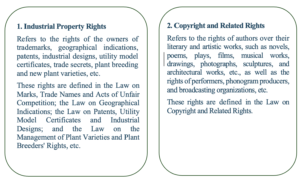
Intellectual property can be a significant catalyst for increasing income for rights holders, if it is duly recognized and appropriately protected, which generally requires intellectual property rights holders to have a comprehensive understanding of the framework and mechanisms for protecting their intellectual property through the enforcement of the rights granted under the applicable laws. In Cambodia, rights holders may also obtain free preliminary consultations from officials of the competent authorities or from certain local associations. Intellectual property rights are divided into two major categories, including:
Intellectual property can also be a vital catalyst in promoting and developing the national economy if mechanisms ensuring recognition, protection, and dispute resolution are put in place and consistently implemented, via investment and the continuation of investment in the production, creation, importation, and trade related to intellectual property.
In fact, numerous new creations and innovations enter the market daily, resulting from humanity’s ongoing creative and innovative efforts. Under intellectual property theory, those works are protected against piracy and unauthorized use by the original owner. This authorization is often made through contracts or agreements. However, sometimes authors or rights holders fail to receive their benefits and, in some instances, fail to receive them fully due to violations of laws or contracts, as specified above. Consequently, this requires authors or rights holders to have a deep understanding of the intellectual property system, especially the mechanisms for both preventing infringement and resolving disputes.
Intellectual property infringement is subject to administrative, civil, and criminal liabilities. In the event of infringement, we generally see a number of mechanisms include:
For acts of infringement that constitute criminal offenses, the mechanisms include:
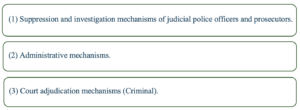
For acts of infringement that do not constitute criminal offenses, the mechanisms include:
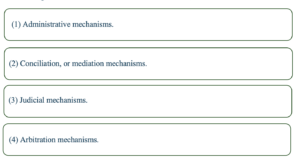
Generally, in resolving intellectual property disputes through judicial mechanisms, courts require the presence or letters of certification of competent intellectual property administrative officers as a basis for judicial deliberation and judgment. Consequently, administrative mechanisms may serve as a preliminary and priority mechanisms for intellectual property disputes.